
A Practical Guide for Ways to Improve Communication in Healthcare
The key to achieving better health outcomes and strong member and patient engagement begins with good communication.
There are several ways to improve communications in healthcare, but we must first explore and understand the barriers preventing the flow of information between all parties.
What’s Inside:

Why is Communication in Healthcare so important?
When healthcare plan providers and healthcare professionals engage through thoughtful, clear dialogue, they create an environment where members and patients feel empowered to take control of their healthcare journey.
Poor communication can create unnecessary breakdowns in the provider-member or healthcare professional-patient relationship, leading to disengagement and medical errors that could result in poor health outcomes.

Roadblocks to Communication in Healthcare in 2025
- Fragmented systems: Many healthcare organizations operate with disjointed communication channels that create inconsistent experiences. This leads to inefficiencies in administration and delivery and potentially puts members or patients at risk of receiving conflicting messages.
- Complex terminology: Jargon can hinder a member or patient’s ability to understand their plan or diagnosis. It can be intimidating, confusing, and prevents an open dialogue.
- Outdated systems: Healthcare organizations struggling with outdated technology and workflows cannot meet evolving expectations. This can lead to frustration and potential delays in accessing care.
- Overly restrictive information-sharing: While protecting member information remains paramount, overly cautious interpretation of privacy regulations can create unnecessary communication barriers. Organizations may restrict information sharing beyond what regulations actually require, limiting their ability to provide comprehensive support.
- Poor verbal and non-verbal communication skills: Communication style has the potential to shape the quality-of-care members and patients receive. A lack of eye contact, negative dialogue, or disengagement can jeopardize the relationship. Patients and members should feel comfortable expressing their health concerns from the beginning of treatment so there are no surprises down the road.
Plan providers and healthcare organizations must recognize that every interaction is an opportunity to build trust with their members or patients. When communication standards are upheld, providers are better positioned to deliver member and patient-first experiences that prioritize their health goals.
Curious to learn more? Check out the Top Trends in Healthcare Communications for 2025.
Top 7 Ways to Improve Communications in Healthcare
1. Lean into Digital Transformation
2. Bring Your Communications into 2025: Create an Omnichannel Approach
3. Streamline Your Communications
4. Achieve Security & Compliance
5. Use Plain Language: Be Mindful of Your Audience
According to the CDC, “plain language makes it easier for everyone to understand and use health information”. Clear, concise language enables members to make informed decisions about their health, regardless of their literacy level. Following plain language best practices can mitigate confusion when members read through materials or interact with you online or over the phone.
6. Provide Educational Support
7. Focus on the Relevant Details
Want to know more about delivering an attractive, high quality welcome kit?
Give it Structure: The Right Tools and Technology to Transform Communications
Knowing how to effectively communicate with your members is just the start. By integrating the right tools, you can take your communications to the next level, creating systems that allow you to get the most of your communication efforts.
And it starts with one of your earliest member interactions — the welcome kit.
Create a Lasting Impression with a Personalized Welcome Kit
But how do plan providers collect the information required to achieve the level of personalization that members expect while executing their omnichannel strategy?
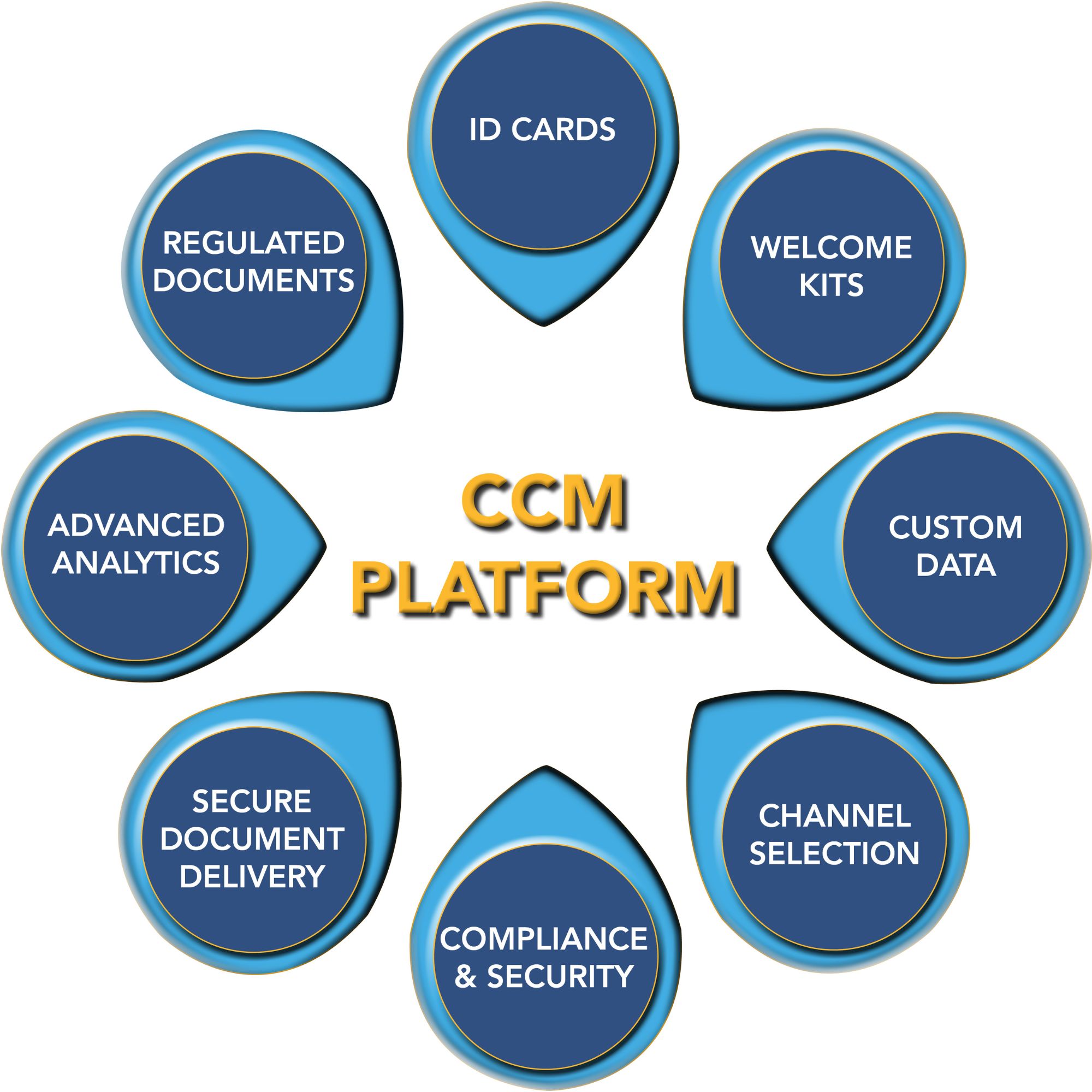
Invest in Customer Communication Management (CCM) Solutions
For example, if a new regulation comes into effect, you can deploy updates across all channels simultaneously, including welcome kits with regulated materials. If you need to communicate policy updates within a specific timeframe, a CCM solution allows you to reach your audience with expediency.
Leveraging Digital Transformation for Healthcare Organizations
There’s also the benefit of digital adoption, a growing expectation among members regardless of the service with which they’re engaging and utilizing.
When you give your members options, they feel seen, ultimately improving engagement. And it comes with cost savings too. One of our clients saw a 28% reduction in costs from only a 25% adoption of e-statements solutions.
Improving Communications for Better Health Outcomes.

FAQ
What are ways to improve healthcare communications?
What are common communication barriers in healthcare?
Barriers in healthcare include fragmented systems that create communication silos. Outdated systems can contribute to poor experiences, while overly restrictive information-sharing can limit transparency. And finally, poor verbal and non-verbal communication can lead to disengagement between all parties.